

onlinemasteringsoftware Logo Onlinemasteringsoftware Contact Us
Contact Us

Bike Maintenance Tips for Senior Cyclists

Keep your bike in top condition with these simple maintenance routines. We've focused on checks you can do yourself without special tools.

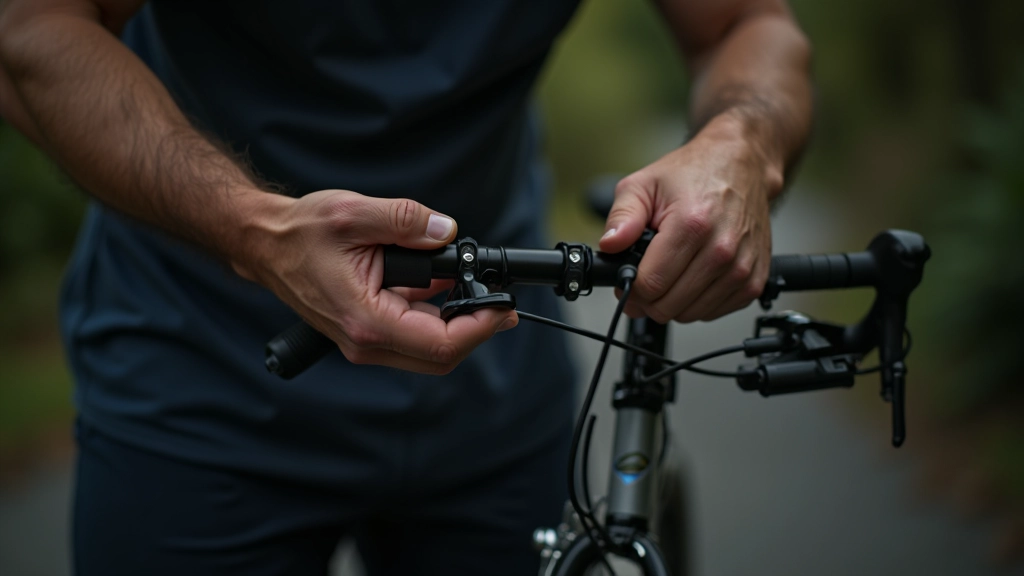
Senior cyclist performing basic bike maintenance check on frame and components

Why Regular Maintenance Matters

A well-maintained bike is safer, more comfortable, and lasts longer. You don't need to be a mechanic to keep your bike running smoothly. Most maintenance tasks take just a few minutes and require only basic tools you probably already have at home.

We've put together a guide focused on the essentials — the checks that make the biggest difference. You'll learn what to look for, when to do it, and how to spot problems before they become expensive repairs. Think of it as preventive care for your bike, just like a health check-up for yourself.

4

Essential weekly checks

8

Maintenance tasks covered

15

Minutes for a full check

01

Check Your Brakes Weekly

Your brakes are the most critical safety component on your bike. It's worth spending time on this check every single week. Squeeze each brake lever and feel for the stopping power — it should feel firm and responsive, not soft or spongy.

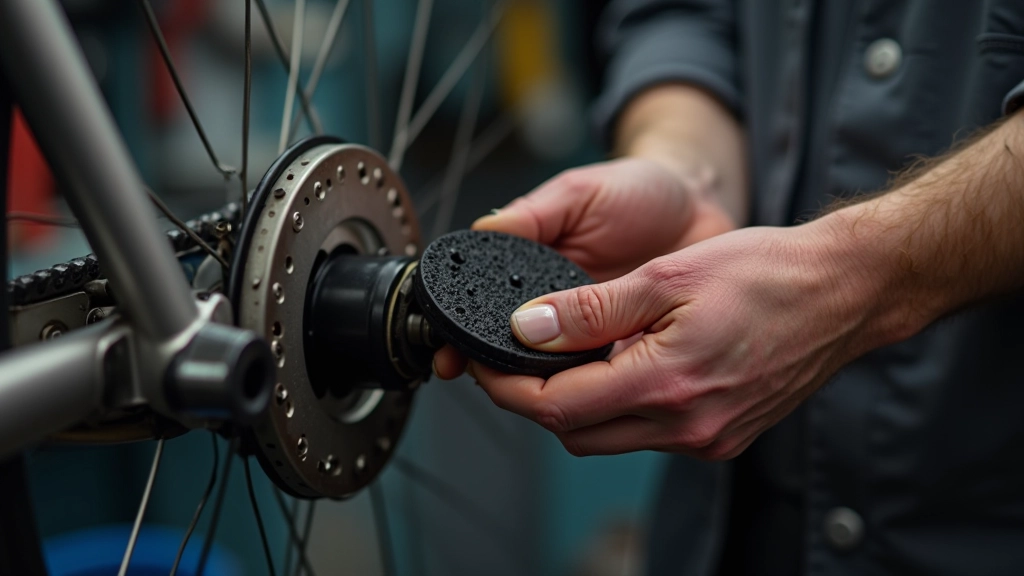
Look at your brake pads too. They should have visible thickness — at least 2-3mm of material left. If they're wearing thin or look uneven, it's time to replace them. Don't wait until they're gone completely. Worn pads reduce stopping power and can damage your wheel rims.

Squeeze each brake lever and listen for rubbing sounds
Check brake pad thickness (minimum 2-3mm)
Spin wheels and watch for brake rubbing
Make sure brake cables aren't frayed or damaged
Close-up view of brake pad inspection showing proper thickness measurement on disc brake system
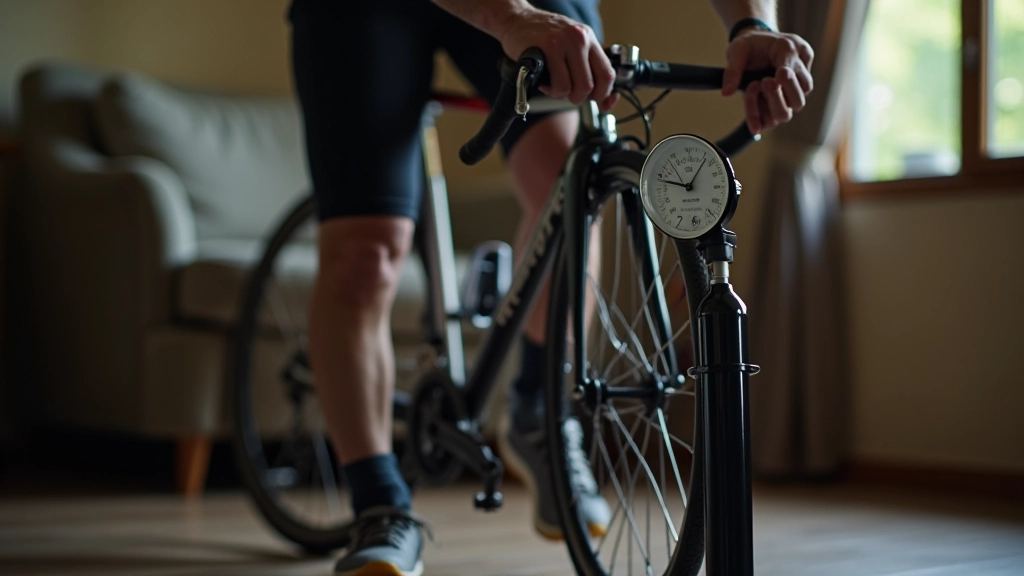
Demonstration of tire pressure checking using a floor pump with built-in pressure gauge
02

Tire Pressure and Condition

Tires are where your bike meets the road, so they deserve attention. Under-inflated tires are harder to pedal and wear out faster. Over-inflated tires give you a rougher ride and don't grip the road properly. The sweet spot is usually marked right on your tire sidewall.

Check tire pressure before every longer ride. A basic hand pump with a built-in gauge costs about €15-20 and lasts for years. While you're at it, look for cuts, thorns, or damage in the tire surface. Small punctures can become big problems on your next ride. If you spot debris, gently pull it out with tweezers before it works its way through.

Pro tip: Check tire pressure in the morning before riding. Tires warm up and expand as you ride, which affects the reading.

03

Chain Cleaning and Lubrication

Your chain does hard work transferring pedal power to the wheels. A clean, well-lubricated chain shifts smoothly and lasts longer. You'll notice the difference in how easy your bike feels to pedal. Start by wiping the chain with a dry cloth — you'd be surprised how much grit comes off.

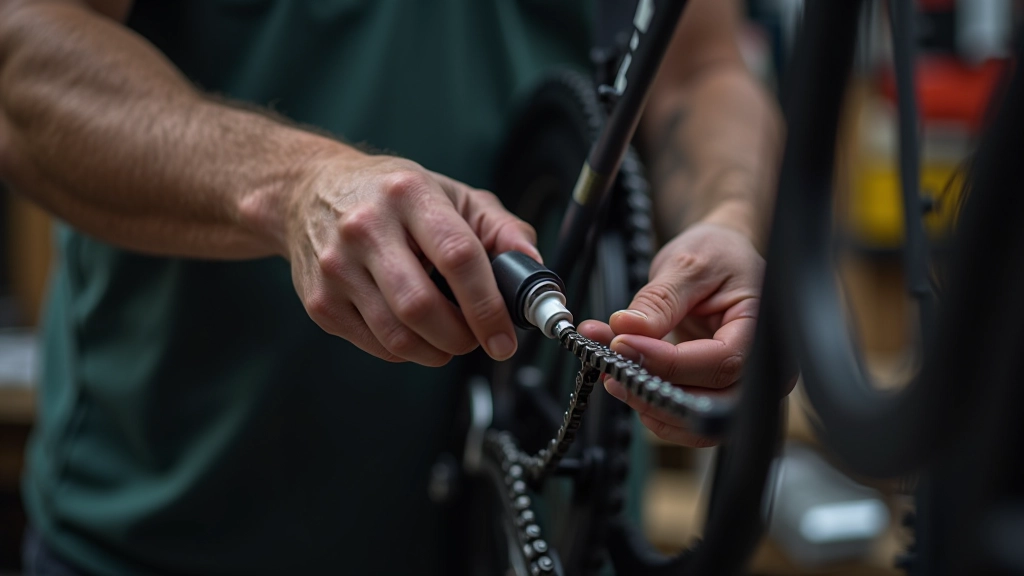
For deeper cleaning, use an old toothbrush or a dedicated chain brush with warm soapy water. Don't use a pressure washer — it forces water into the bearings. After cleaning, the chain should look metallic gray, not black with grime. Once it's dry, apply chain lube to each link. You'll only need a small amount. Wipe off excess lube with a clean cloth.

Do this maintenance every 100-150 km of riding, or whenever the chain looks dry. It's one of the easiest ways to extend your bike's life and improve performance.

Step-by-step demonstration of chain lubrication process with dedicated bike chain lubricant bottle
Inspection of derailleur alignment and cable tension on a road bike drivetrain system
04

Gears and Derailleurs

Smooth gear shifting is a sign your bike's drivetrain is in good shape. If you're experiencing grinding noises or skipping, don't ignore it. Often the problem is simply cable tension that needs adjusting, not a broken component.

Shift through all your gears while the bike is stationary or on a stand. Each shift should be quick and quiet. If the chain struggles to move between cogs or makes noise, the derailleur might need adjustment. This is one area where a professional can help if you're not confident — proper derailleur adjustment takes practice and the right tools.

Keep your gears clean as part of your regular chain maintenance. Dirty gears don't shift as smoothly and wear faster. A clean bike is a happy bike, and it's much easier to spot problems when you can actually see the components clearly.

05

Frame, Bolts, and General Safety

Every few weeks, do a complete visual inspection of your bike. Look at the frame for any cracks, especially around the joints and welds. Check that all bolts are tight — wobbly parts are dangerous and annoying. Use an appropriate wrench or hex key to gently tighten seat posts, stem bolts, and handlebar connections.

Don't over-tighten though. You're just ensuring things are snug, not cranking with all your strength. If you're unsure about bolt tension, most modern bikes have torque specifications in the manual. Make sure your lights work (if you ride early morning or evening), reflectors are clean and visible, and your seat is at the right height and locked in place.

These quick checks take maybe 5 minutes but catch small problems before they become safety issues or costly repairs.

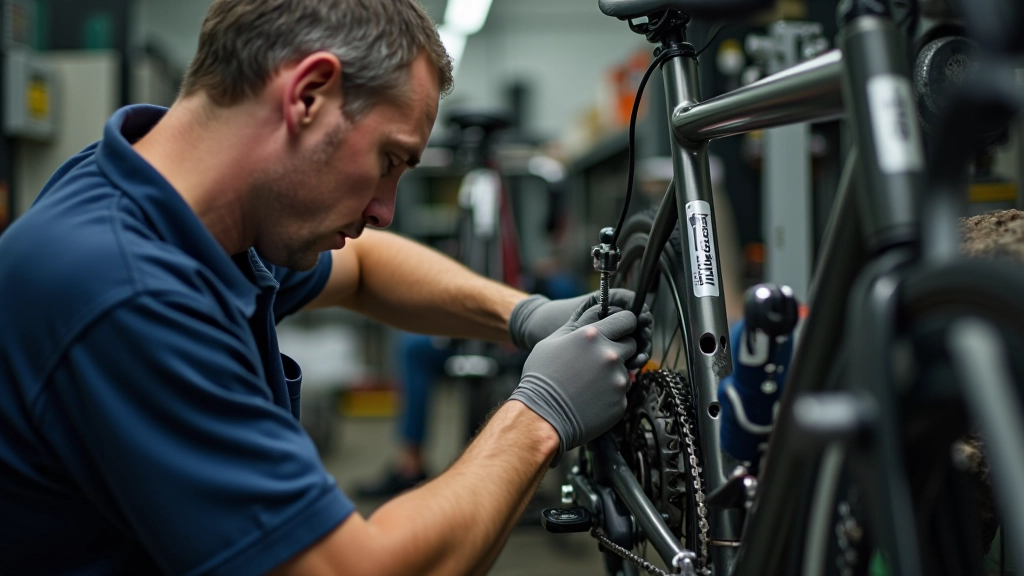
Checking bike frame structural integrity and bolt tightness on seat tube and frame joints